The city of Luxor lies on the site of ancient Thebes (Veset) and boasts the title of "the world's largest open-air museum." If you're wondering why, the answer is simple. It is home to the world-famous ancient Egyptian temple complexes of Karnak and Luxor.
The city itself is located about 800 kilometers from Cairo, so if you are planning a trip here, be sure to factor in the time you will need to spend traveling. In addition to the temple complexes, you can also visit the so-called Theban Necropolis, located just a few kilometers from the temples.
Luxor and its surrounding area are among the places you should not miss when visiting Egypt. A trip to the famous Valley of the Kings and temple complexes will leave you with many experiences and memories of the thousands of years old remains of the mighty Egyptian empire.
Luxor is an important tourist destination today, but it was also a popular place in the past. In ancient Egyptian times, it was called Veset Over the centuries, the city became a center of education, religion, and the arts. For these reasons, the city's influence grew, and business life gradually began to move here as well.
Many nations visited the city to trade their goods. Thanks to this, Luxor became one of the richest cities in the world at that time. However, wealth did not influence the main direction of the city, and Luxor retained its character as a religious center. It is for these reasons that today, after more than four thousand years, we can commemorate the glory of the Egyptian Empire and its most significant religious monuments.
The Karnak temple complex is located on the northern edge of Luxor. The complex was the center of the cult of the god Amun, to whom the temple in Luxor was later also dedicated. Amon was the god of secrets and mysteries, his influence was truly considerable, and Alexander the Great, for example, was designated by prophecy as the son of Amon. The Greeks often identified Amon with Zeus, and he was worshipped not only in Egypt but in many other places, including Sparta, Athens, and Thebes.
Construction of the temple complex began around 2,000 BC and continued for more than 1,500 years. For this reason, we can see the distinctive signatures of dozens of pharaohs and trace the development of Egyptian architecture.
The local temple complex is called open-air museum. Here you can see a cross-section of a significant part of Egyptian history.
Karnak, for example, was historically a truly significant place and became the administrative and financial center of all of Egypt. However, the local religious buildings remained off-limits to the general population; only priests and the royal elite had access to them. The Karnak temple complex consists of three parts, each dedicated to a different deity. The main part belongs to bohu Amonovi, another one of his to his wife Mut and son Chons.
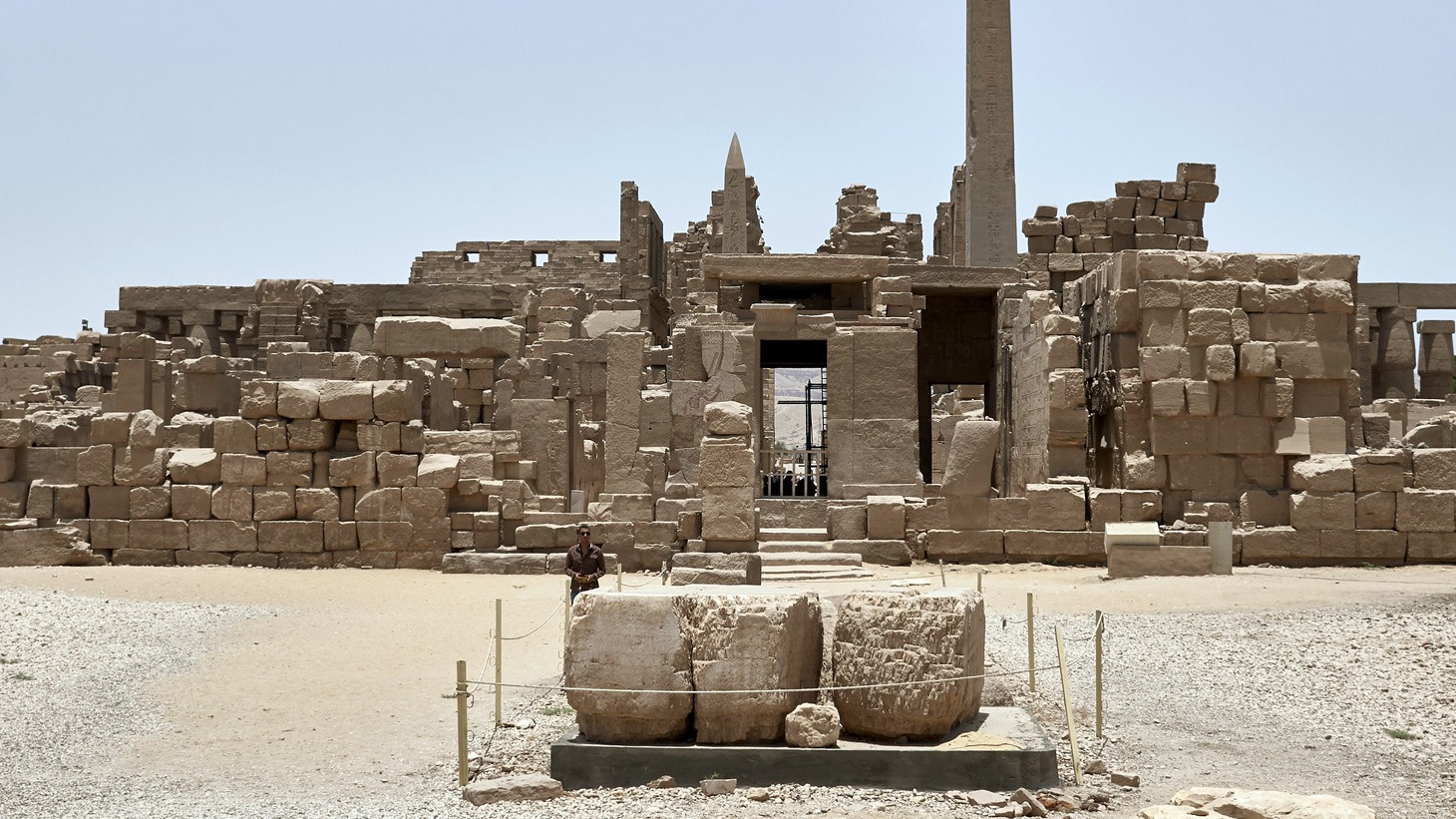
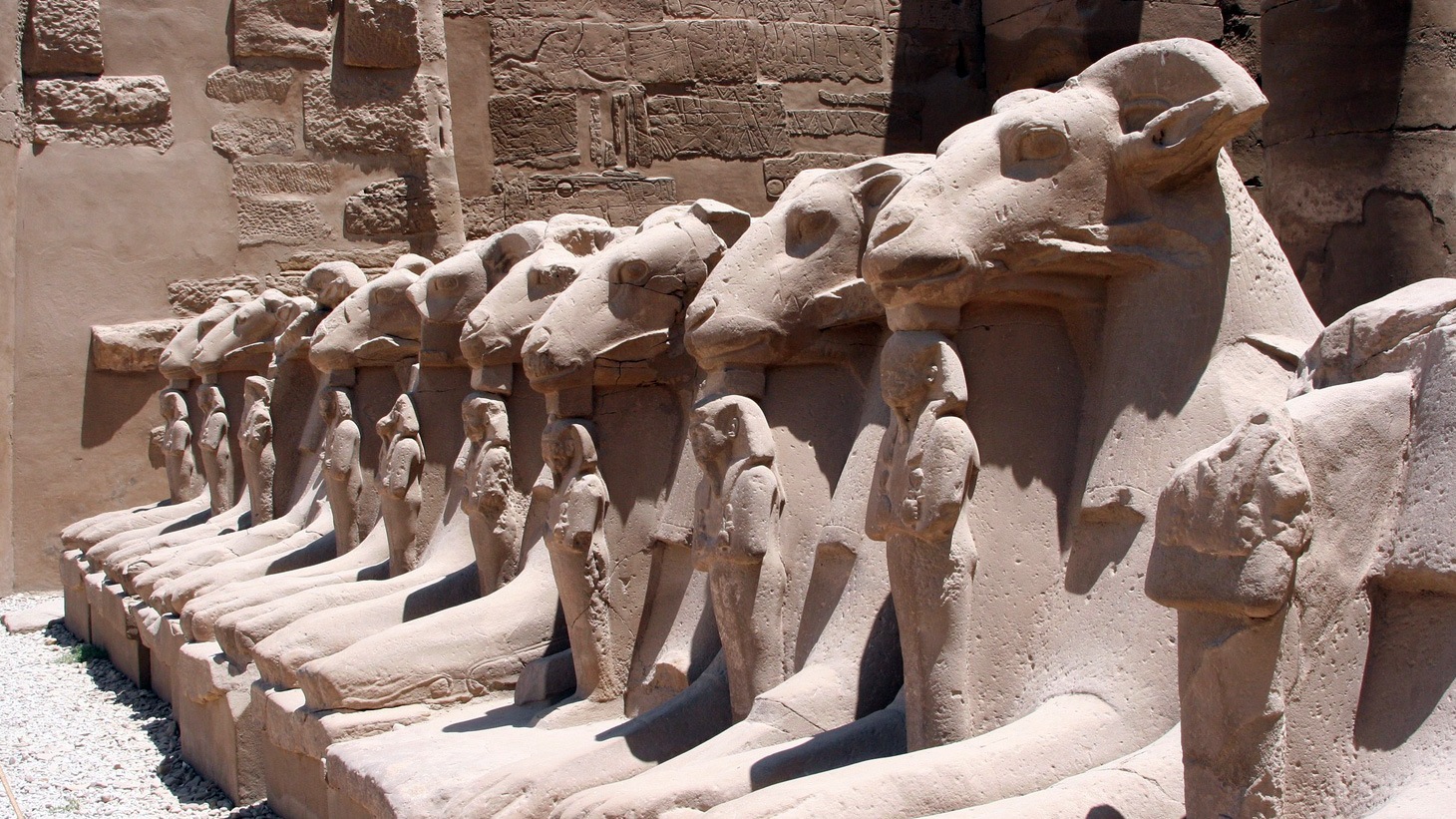
If you go to Karnak, the main part of your attention will probably be taken up by Amon's district, which has become a symbol of Karnak as a whole. The temple is full of monuments and ancient buildings that are sure to enchant you with their precise craftsmanship and, of course, their age. As soon as you enter the temple, you will be captivated by a series of ram sculptures that guard the entrance to the temple. Inside the temple, you can see svatyni Setiho I., Temple of Ramesses III, an imposing column in the middle of the courtyard or sphinx with Tutankhamun's face.

The most monumental impression will probably be left on you by columned halls, which contains 134 columns, each nearly twenty meters high, which he had built here. Amenhotep III. The columns once supported a large roof, but even without it, the preserved colonnade is impressive. The temple is full of various structures built by different rulers. You will truly feel like you are in a museum here.
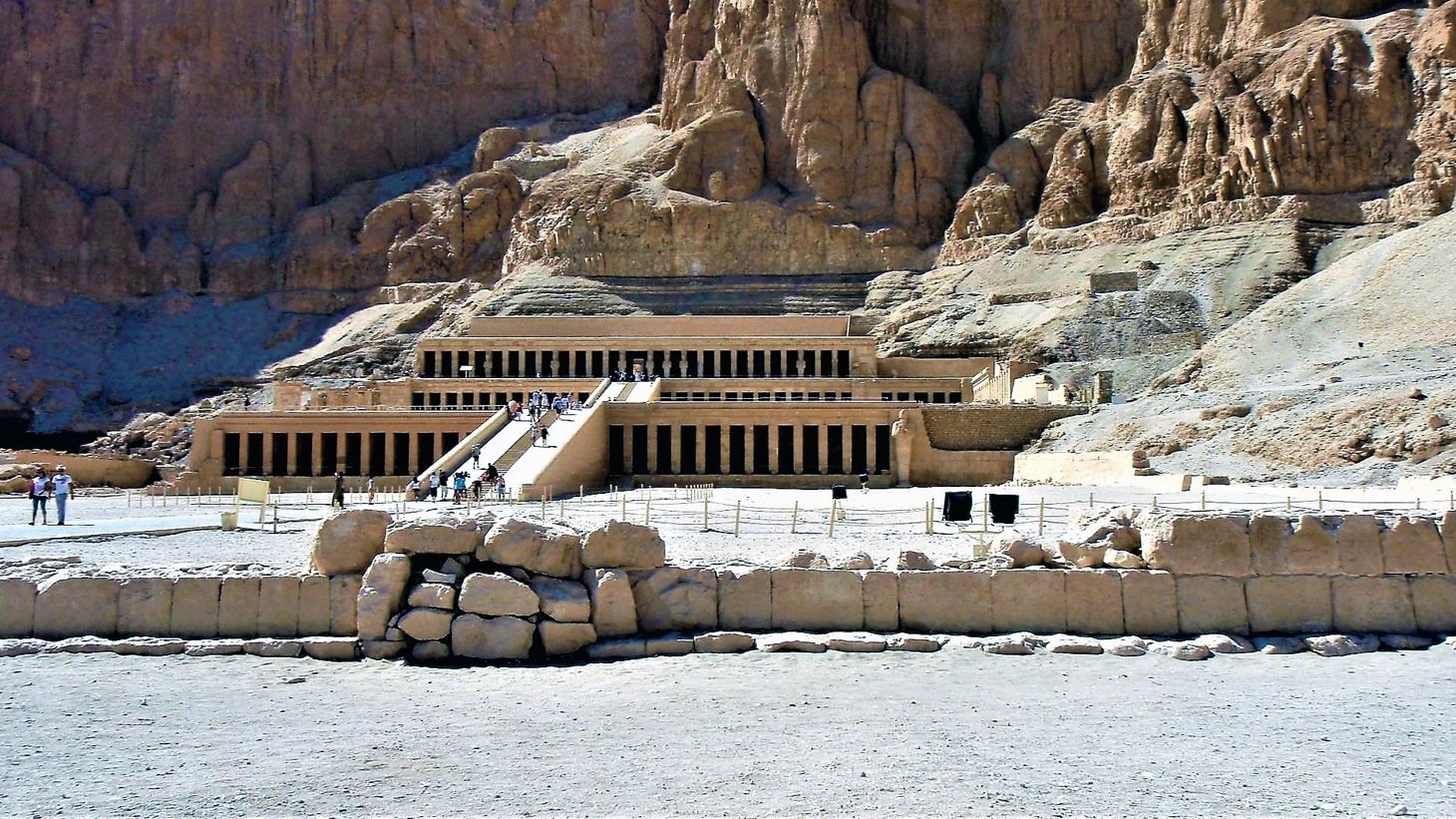
In the next courtyard, you will see an interesting monument, which is 30-meter obelisk with the head of Queen Hatshepsut In addition, there is a shrine for a sacred boat, which was used to store the boat that was supposed to carry gods and deceased rulers to heaven. Also worth mentioning is the sacred lake, which is very popular with tourists. It is said that if you walk around it three times, one of your wishes will come true.
And that's not all you can see in Amon's "district." Don't forget that you can explore two more districts.
The district dedicated to Amun's wife Mut has unfortunately been severely affected by the ravages of time. All that remains here are the ruins of what was once a majestic temple and a few statues. goddess Sekhmet It is worth mentioning that a ritual repository of religious statues was found here. Archaeologists found almost 900 statues here, which earlier priests had no use for, so they stored them in a local underground hiding place.
Unfortunately, the last district belonging to Chons is now dilapidated and largely inaccessible to the public. Although the remaining two districts are partially damaged, you can still feel the atmosphere of long-forgotten history and former Egyptian glory.
The temple complex is located on the east bank of the Nile near Karnak. Both temple complexes were connected by an avenue of sphinxes, part of which has been preserved to this day. The road used to be three kilometers long and led from the Temple of Amun in Karnak to the Luxor Temple. The temple was begun by Amenhotep III. and later completed by Ramesses II., whose colossal statues welcome you right at the entrance gate to the entire Luxor complex.

Like Karnak, the complex is dedicated to the Theban triad of gods Amun, Mut, and Khonsu. Pharaoh Amenhotep III began construction here on a magnificent sanctuary and columned courtyard, which can still be seen today. The remaining structures were built by Ramesses II, during whose reign monumental obelisks and a giant pylon, a massive entrance gate, were erected here.
Probably the most famous scene that is iconic for the temple in Luxor is 24-meter pylon, which was built here by Ramesses II, and its decoration depicts scenes from the Battle of Kadesh The 25-meter obelisk is also monumental. In the past, there were two obelisks here, but one was donated by Muhammad Ali to France and now stands in Paris' Place de la Concorde.
The trio of colossi depicting Ramesses II also attracts attention. When you enter the complex itself, you will be captivated by the columned courtyard lined with more than seventy massive columns. These are decorated with reliefs depicting the Luxor Temple in its original historical form. Thanks to them, we have a comprehensive idea of what the place originally looked like and which parts have not survived to the present day.

The courtyard is dominated by Chapel of Queen Hatshepsut. In addition to the chapel, there is also a more modern building, namely Abé al-Hadžadžá Mosque There are many columns here, as the first columned courtyard is followed by a second one dedicated to Amenhotep III. Along the way, you will be captivated by eleven giant statues bearing the name of Ramses II. Behind the second courtyard, you will find more columns and a place for storing the sacred boat.
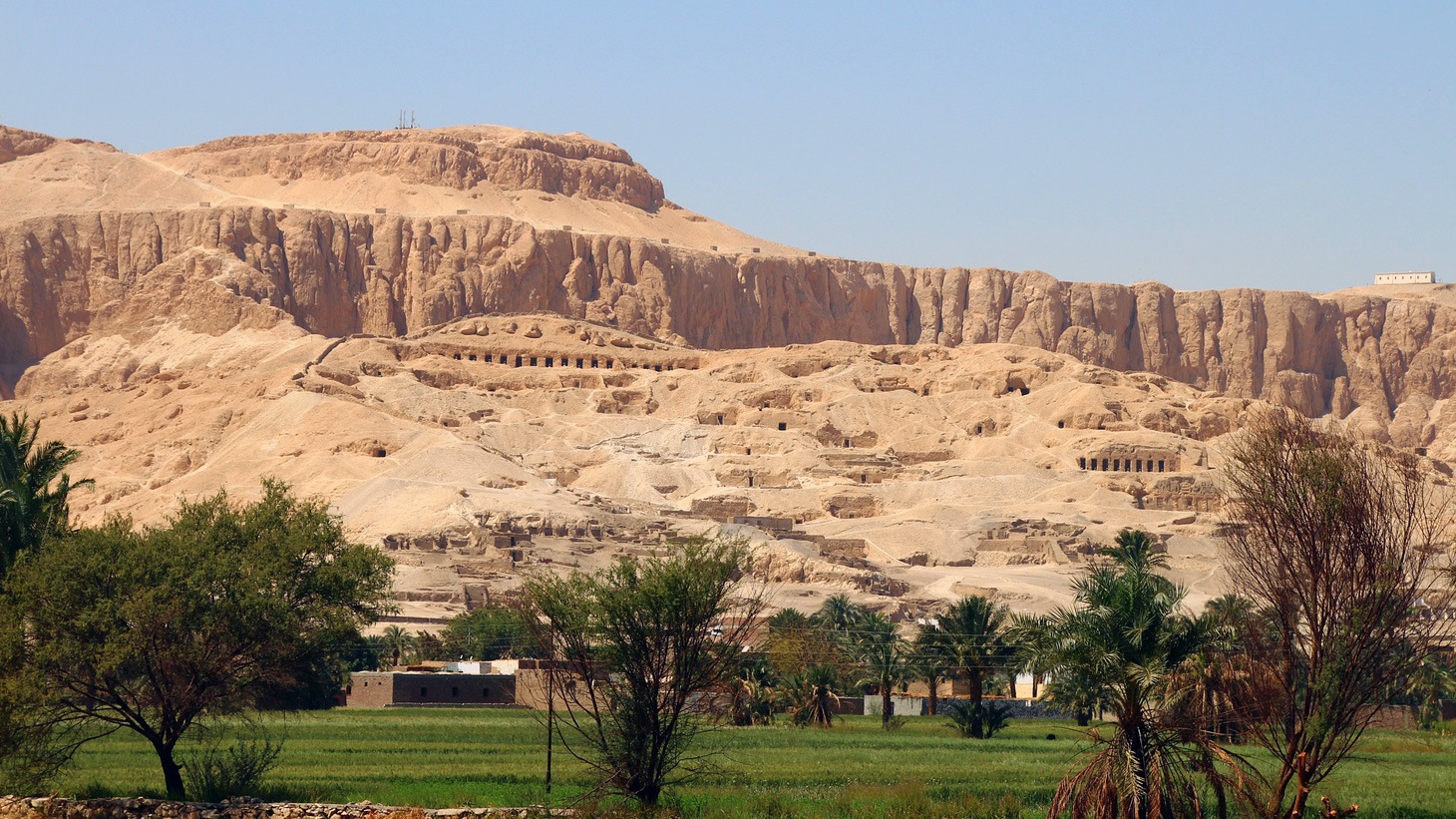
Not far from Luxor, in a crevice in the Libyan Mountains, lies the famous burial ground of Egyptian pharaohs and important members of the royal family, known as the Valley of the Kings. The burial ground was actively used from the 16th to the 11th century BC. The burial ground itself is divided into Western and Eastern Valleys.
In the western part, also known as Valley of the Monkeys There are four tombs, but only one is open to the public, namely the tomb of Aje II.
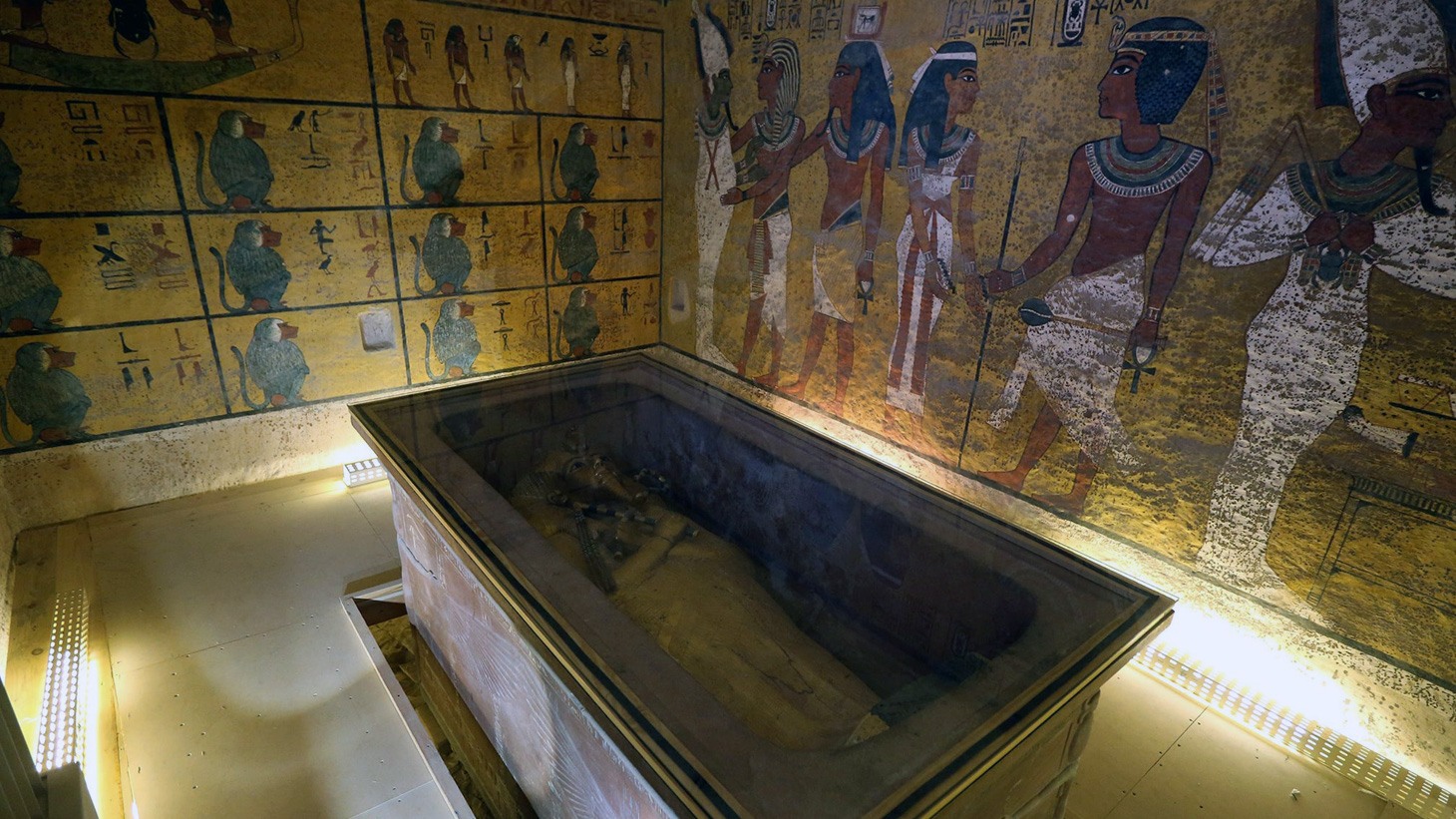
The eastern part is much richer and hides an incredible 61 rock tombs. Unfortunately, almost all of the tombs have been targeted by thieves, who have taken most of the valuables from the burial valley. The only tomb that has not been robbed is the most famous one, Tutanchamonova.
The Valley of the Kings and the adjacent Theban Necropolis are listed on the UNESCO World Heritage List Most people associate this valley with the discovery of Tutankhamun's tomb, but there is much more to see here.
If you are wondering why Egyptian rulers chose this particular place as their final resting place, we have an interesting explanation for you. Above the present-day Valley of the Kings towers the so-called Theban shield It is a mountain whose shape strikingly resembles a pyramid. It was probably this natural phenomenon that led the pharaohs to the idea that the valley beneath the "pyramid" mountain was ideal for building a royal burial ground.

Based on the valley's current name, it may seem that only kings were buried here, but this is not the case. There are only about 20 royal tombs in the valley, with the rest belonging to nobles and other members of the royal family. The valley was mainly intended for men, female members of the royal family were buried in nearby Valley of the Queens It is located about 1.5 kilometers southwest of the Valley of the Kings and in ancient times bore the apt name "Place of Beauty."
More than 75 rock tombs have been found here. However, the valley was not only used for women; princes were also buried here. The most significant of the "female" tombs is tomb of Queen Nefertari You can see her temple in Abu Simbel, and after visiting the tomb and temple, it will be clear to you that the pharaoh truly loved the queen, as the decorations are truly breathtaking and unparalleled in all of Egypt.
The tombs in the Valley of the Kings are usually carved into the rock and accessed via intricate passageways that lead through several antechambers to the burial chamber itself. Over time, the architecture of the individual tombs changed, so here you can see a broad cross-section of Egyptian "funeral" architecture.
An interesting example is hrobka Thuthmose III., whose entrance is located 30 meters above ground or hrobka Amenhotepa II. Also significant is hrobka Setiho I. A beautifully crafted alabaster sarcophagus was found there.
If you go to the valley to explore the individual tombs, you only get access to 18 of them However, they are often used for work or research, so you can never be sure that you will actually be able to visit all of the accessible tombs. One of the biggest attractions is undoubtedly Tutanchamonova hrobka Due to the huge interest from tourists, there is an admission fee, so you will need to purchase a separate ticket.

All the treasures discovered here are stored in the Egyptian Museum and will be on display in a new museum at the end of 2020. The Great Egyptian Museum in Giza The interiors of the tombs are absolutely breathtaking and spectacular, worth every penny spent. If you visit one of the tombs, you will stand in silent awe of the beautiful decorations and architecture of these ancient structures.
Whether you decide to visit Karnak, Luxor, or the Valley of the Kings, you can be sure you won't go wrong. All three places have a unique atmosphere. and you will see things there that you cannot see anywhere else in the world.
Personally, I recommend visiting the Valley of the Kings and Karnak, where you will see the most. Luxor is the icing on the cake for those who want to enjoy everything. In one day, you can enjoy a complete overview of a large part of ancient Egyptian history. It is a unique experience for everyone, as there is something for everyone here.
And if visiting the sights isn't enough for you, you can go to Luxor do muzea mumifikace, where you can learn everything about Egyptian burials, or visit Luxor Museum, which will introduce you to funeral relics and statues discovered in the Valley of the Kings, Luxor Temple, and Karnak. You definitely won't be bored.