There are several ways to get to Africa, but there is only one city that can boast of being called the gateway to Africa. That city is Aswan. We all tend to remember only the most important information and interesting facts. Aswan can boast of being the southernmost city in Egypt. But that's not all.
Aswan offers an unprecedented atmosphere and unique charm, as cultures, opinions, religions, and traditions have been mixing here since ancient times. In the past, it was an important commercial center, as all Egyptian river transport ended near Aswan. The name of the city itself has a lot to do with trade. Suán is the Coptic word for trade Later, the name of the city changed to the well-known Aswan of today.
When visiting Aswan, be sure to visit one of the local spice shops, as they all have an unforgettable charm full of diverse aromas and scents. Visiting them may give you a glimpse of the original atmosphere that this commercial center once had.
Historically, Aswan was an important trading center. Due to its strategic location and proximity to the border with Nubia, military units were stationed here to protect the borders and trade caravans.
The trade route that ran through here was truly significant, as goods traveling from tropical Africa through Nubia to Egypt entered Egyptian territory in Aswan. And the goods from Africa were truly worth it. They consisted mainly of gold, ivory, ebony wood, and exotic animals.
Later, Aswan became a very popular destination for wealthy Europeans, who came here to hide from the harsh European winter. The influx of tourists from Europe has naturally influenced the city's current appearance, and you will find corners that may remind you of France, for example.
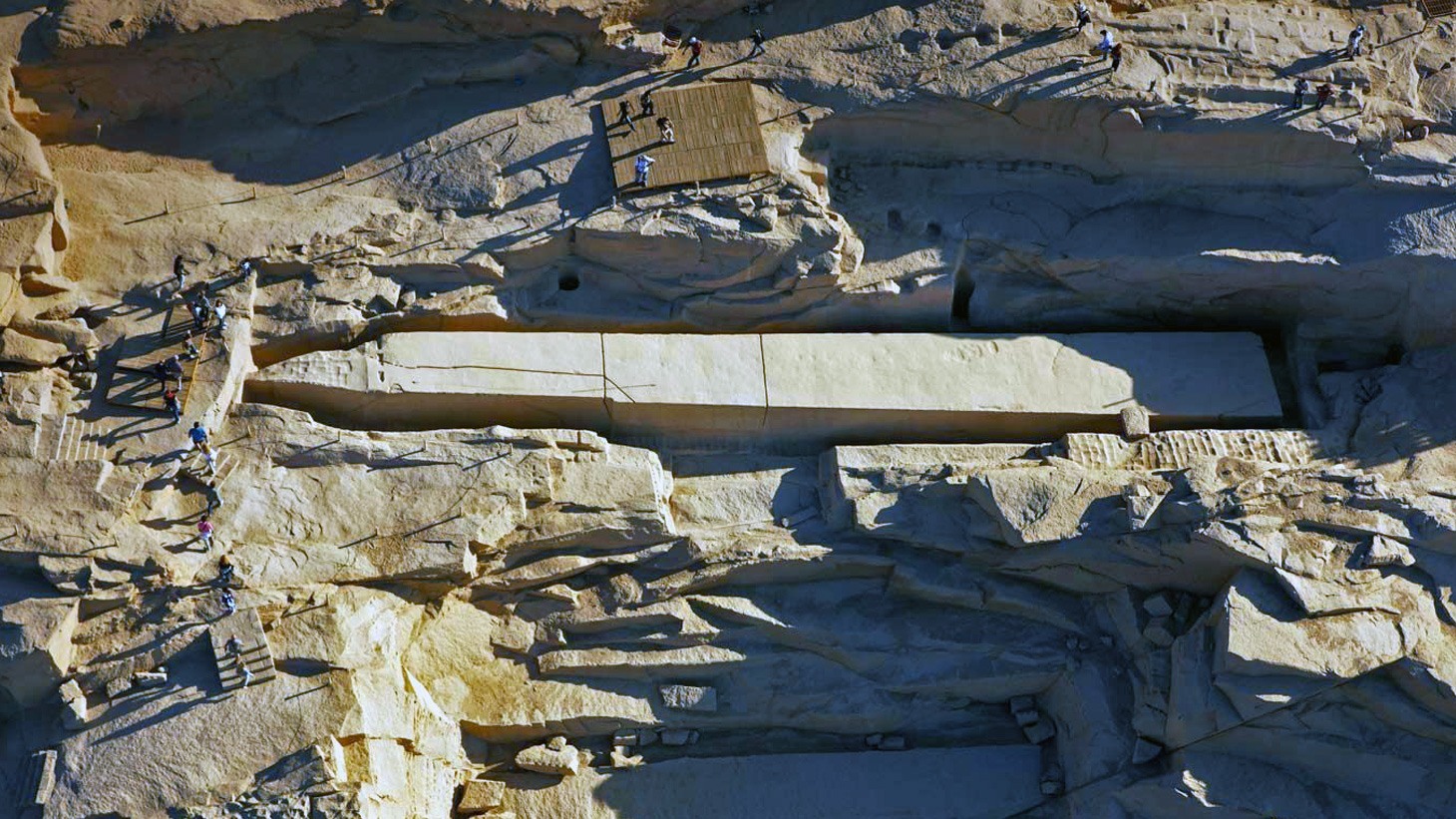
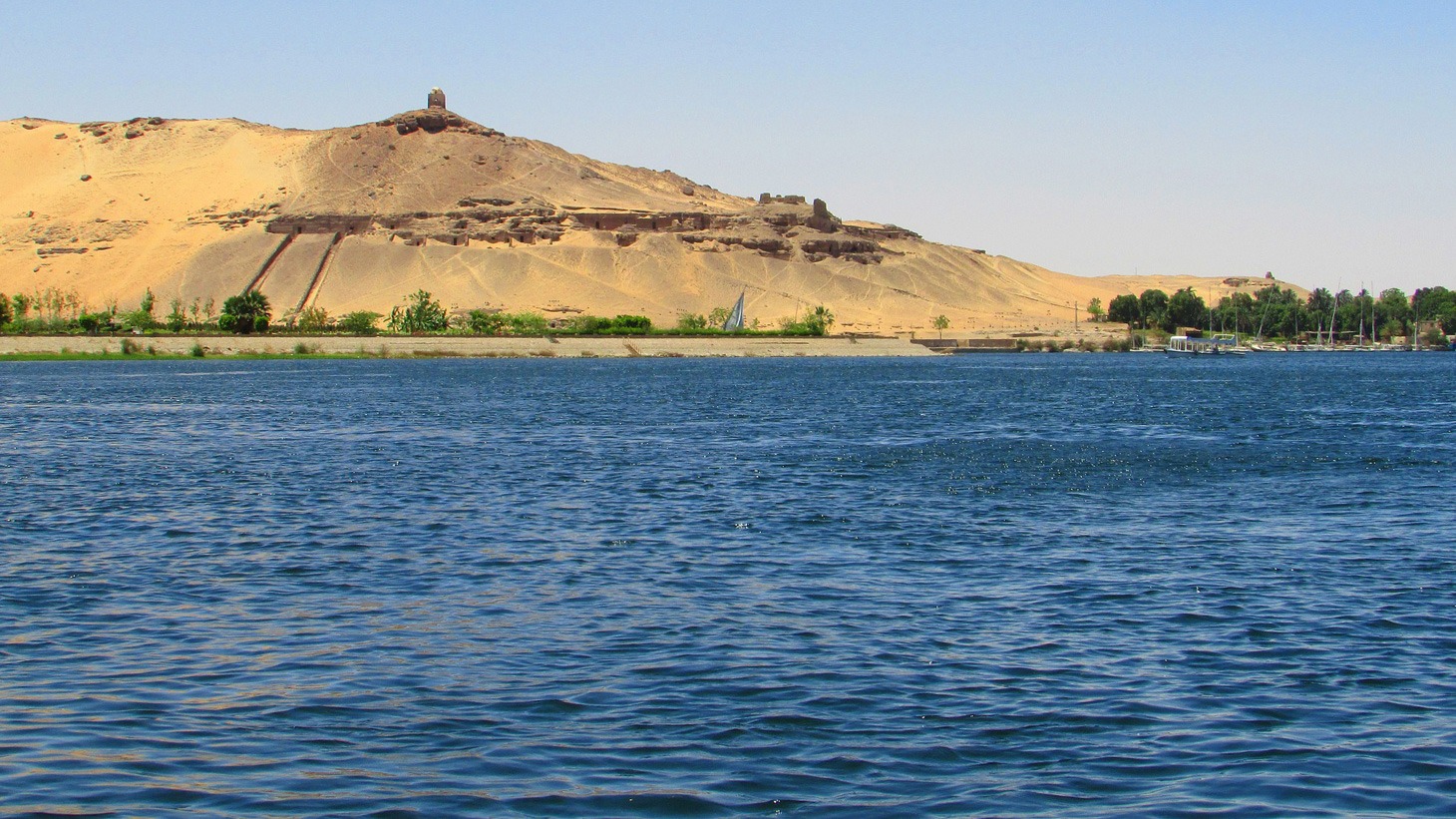
Stone quarrying and processing will captivate you even when visiting the Muslim cemetery. It is located near the Nubian Museum, where you can explore domed tombs from the 9th century. The biggest attraction, however, is the unfinished obelisk, which was very close to becoming widely known. The massive obelisk was never completed, so it is only carved on three sides.

However, if the obelisk had been completed in its time, could have become the largest obelisk in all of Egypt According to archaeologists, it was intended to complement the obelisk of Thutmose III, which was located in Karnak. Today, however, you would search for it in vain, as it was moved to Italy, where it now adorns Piazza San Giovanni square in Rome.
History is history, but you definitely want to see something that has survived to the present day and can be seen with your own eyes. Your steps should lead you to the excavations of the city of Abu. The excavations themselves are located on the island. Elefantina But don't worry, you won't have to travel outside the city to visit the island. It is a river island on the Nile, located right in Aswan.
The city stood here from the 3rd millennium BC until the 14th century. All the artifacts found here can be seen in Aswan Museum You can combine your trip with a visit to the local museum. This will definitely give you a more comprehensive picture of the cultures that once lived here.
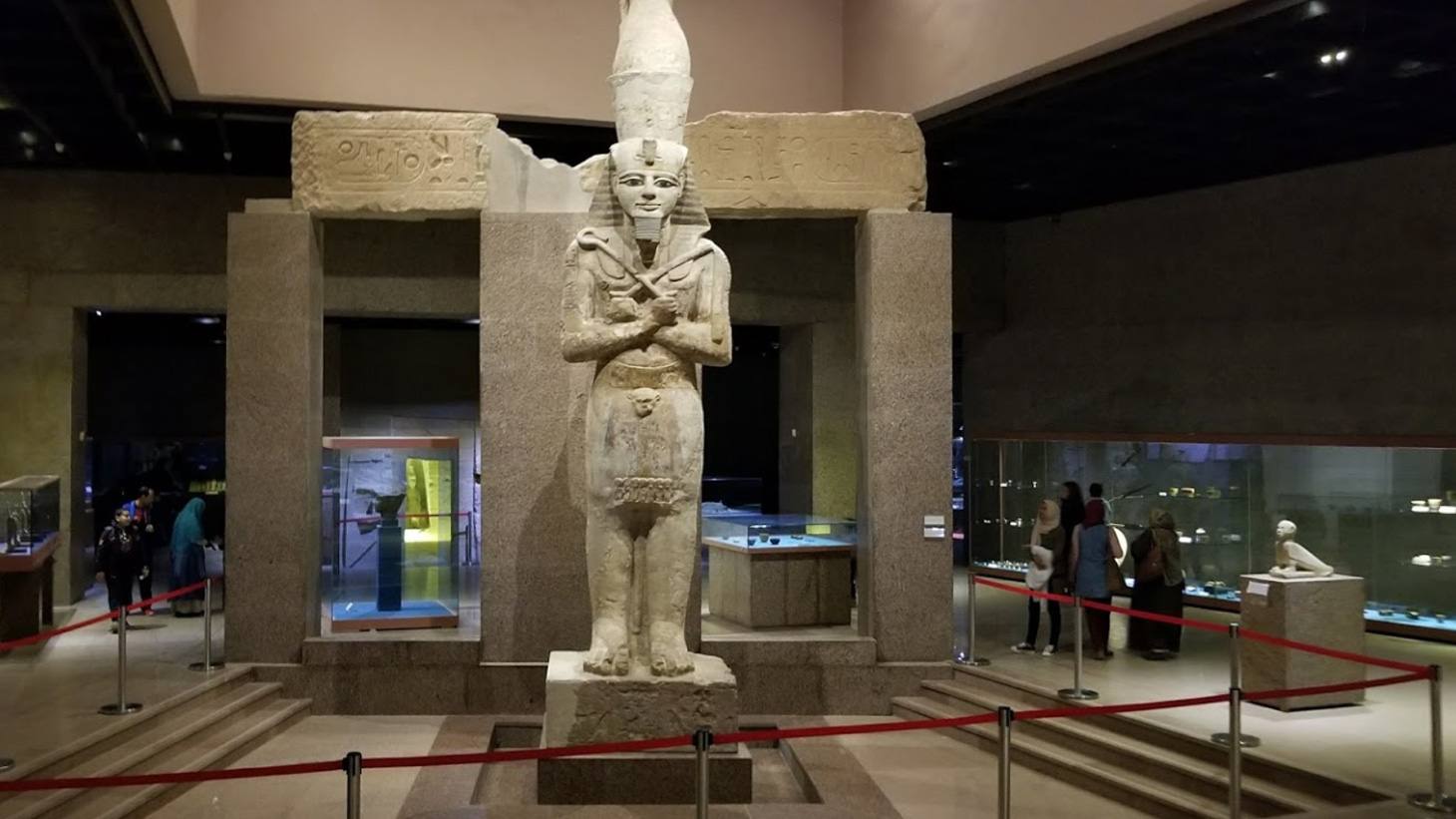
In addition to the Aswan Museum, you can also visit the following attractions in the city: Nubian Museum, to which a number of monuments and artifacts were moved that would otherwise have been forgotten and flooded during the construction of the Aswan Dam.

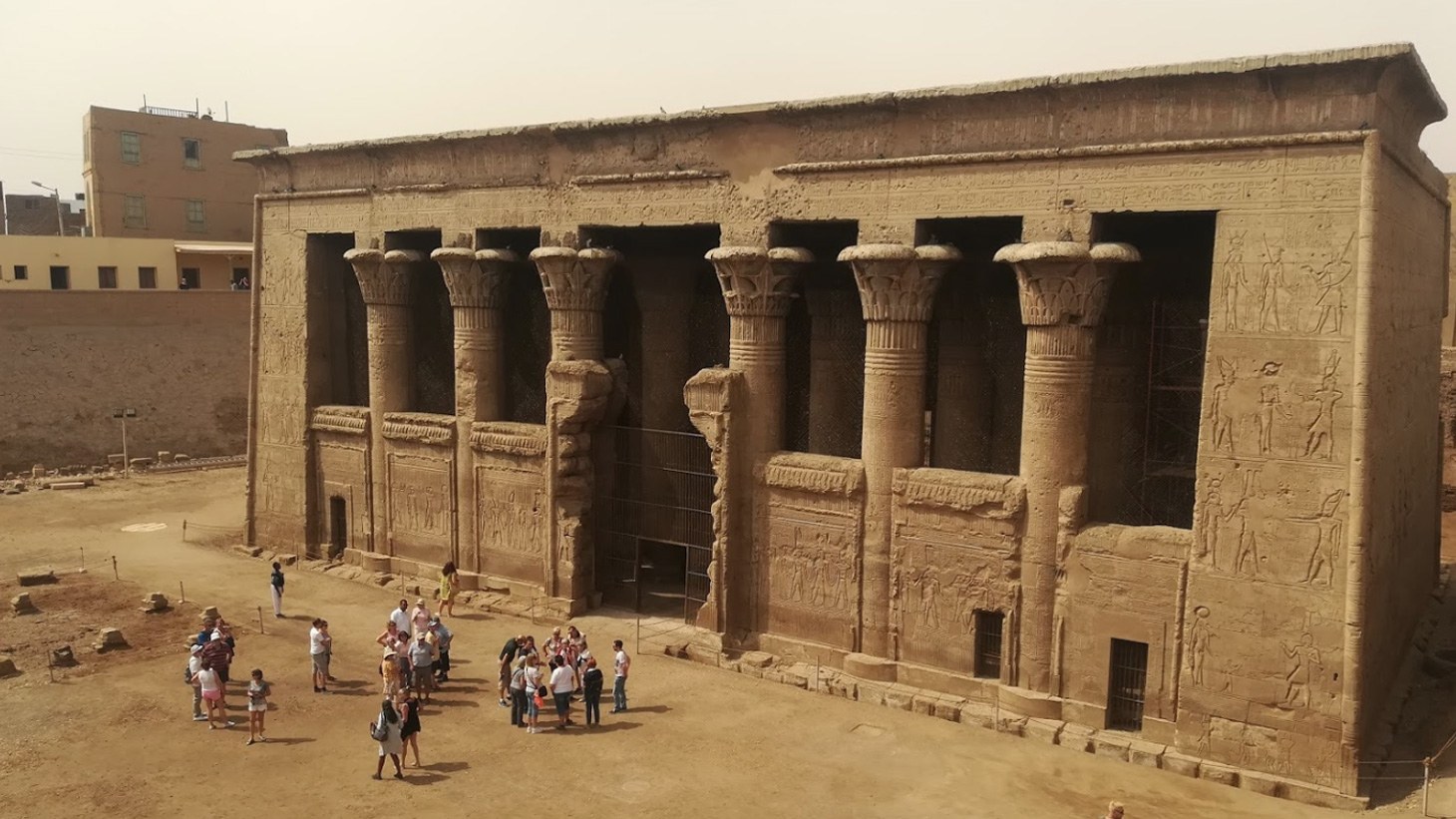
On Elephantine Island, you can also see the remains of the temple of the god Khnum His appearance would probably have frightened you, as he had the head of a ram, symbolizing fertility and his protective function. He was supposed to protect all the water and rivers of Egypt and control the life-giving floods. Archaeologists found many tombs of important Egyptians in the temple, and even a mummified ram.
From today's perspective, the temple is also significant because one of the nilometers was found there. These were special corridors connected to the level of the Nile and used to measure the height of the Nile floods. Thanks to the data obtained, farmers could then calculate the approximate amount of the harvest and its quality.

Elefantina Island is not the only island you can visit that offers interesting sights. Also worth mentioning are Kitchener Island, named after the former consul general in Egypt. He had a passion for botany and had a large number of different plants planted on the island, which are bursting with color and form an interesting contrast to the surrounding desert.
Today, the entire island consists of beautiful botanical garden, which will leave you with lots of visual impressions.
If you go to Aswan, don't forget to visit the famous Aswan Dam It was built between 1960 and 1971 with financial support from the Soviet Union. In the 1980s, it produced almost 70% of all electricity in the country, but today that figure is only 23%.
The dam is 3.6 kilometers long and reaches a height of 111 meters. If you want to see a truly megalomaniacal structure, the dam is the right choice. After it was filled, a lake was created behind the dam. Lake Nasser with an incredible length of 480 kilometers.
Due to the construction of the dam, it was necessary to move a number of monuments to new locations outside the flood zone, such as giant statues from Abu Simbel. Despite the rescue of some monuments, a large number of them remained hidden under the water.

Aswan is full of monuments and attractions, but it is mainly used as a hub and starting point for further trips to the surrounding area. From Aswan, you can choose a stylish shipping. You can easily travel along the Nile to Luxor or Cairo. Such a cruise will be an unforgettable and adventurous experience.