Not only is Egyptian culture rich, but so are the local specialties, which you should not miss during your vacation. Egyptian cuisine boasts a combination of distinctive flavors and often unusual combinations.
As in the US, lunch is considered the main meal of the day in Egypt. However, it is served a little later, usually between 1:00 and 3:00 p.m. Locals rarely use cutlery to eat, and they indulge in the enjoyment of food while seated, on the carpet, not at the table.
At a time when Egypt is undergoing Ramadan During Ramadan, which lasts 30 days, Egyptians fast from dawn to dusk. Ramadan is an act of faith and is observed by almost everyone in the country, so the only refreshments available to foreigners during this period are those offered by hotel resorts.
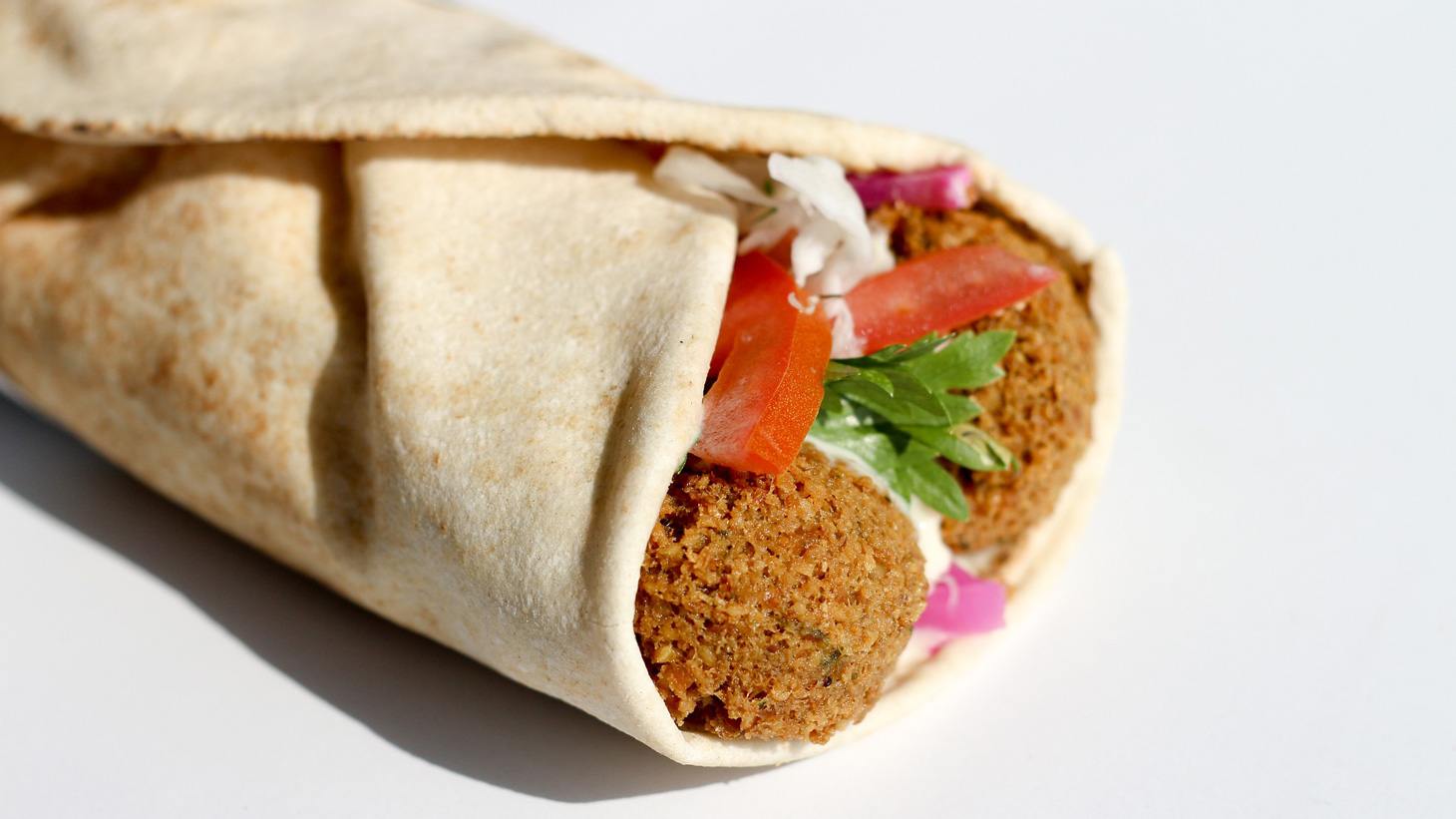
The basis of an Egyptian breakfast is really hearty meals, such as ful medames, which consists of stewed meat, cooked beans, and various combinations of vegetables and spices. Similarly, Egyptians enjoy chickpea falafel, which is most often topped with yogurt sauce and served in pita bread.

If you want to eat like the locals, you can try a breakfast dish consisting of beef and eggs, which is similar to European bacon and eggs. Again, Egyptians eat it with bread, which is comparable to the pita bread we know.
You will rarely find a sweet version of breakfast here. The only exception is drinks, which are served with breakfast. drinking tea sweetened with a few teaspoons of sugar.
Traditional Egyptian Lunches consist of several courses. The entire feast begins with an appetizer. Micholeta salad can be served either as an appetizer or as a side dish to the main course. It consists of onions, cucumbers, lemon juice, spices, and Greek cheese. Another traditional appetizer is ful nabed, a soup made from a combination of white beans, onions, water, olive oil, lemon juice, sugar, and salt.
Labeling Eggah It is intended for a local style of omelet, where some type of meat, such as chicken or lamb, and vegetables are added to the eggs. Herbs or cinnamon are used for seasoning. Labneh It boasts a creamy texture and is a regular full-fat yogurt mixed with salt and left to drain for a day.
The appetizer can also be served with the more familiar humus, a spread made from mashed chickpeas and sesame paste, again served in pita bread.
After a hearty appetizer, it's time for an equally hearty main course. All dishes are strongly spiced, for example, Egyptians use it in large quantities coriander or hot peppers. What you will never find on the menu here is pork, as Muslims are forbidden to eat it for religious reasons. It is usually replaced with lamb, chicken, or fish.
Just like breakfast, Egyptians like to indulge themselves at lunch too. ful medames. Another option is kebab or kofta, which are balls made from minced meat and spices. Bamia is similar to goulash, with lamb, tomato sauce, and coriander forming the basis. Rice or pita bread. Also popular here is mombar, a type of Egyptian sausage made from sheep intestines stuffed with a mixture of meat, rice, vegetables, and spices.

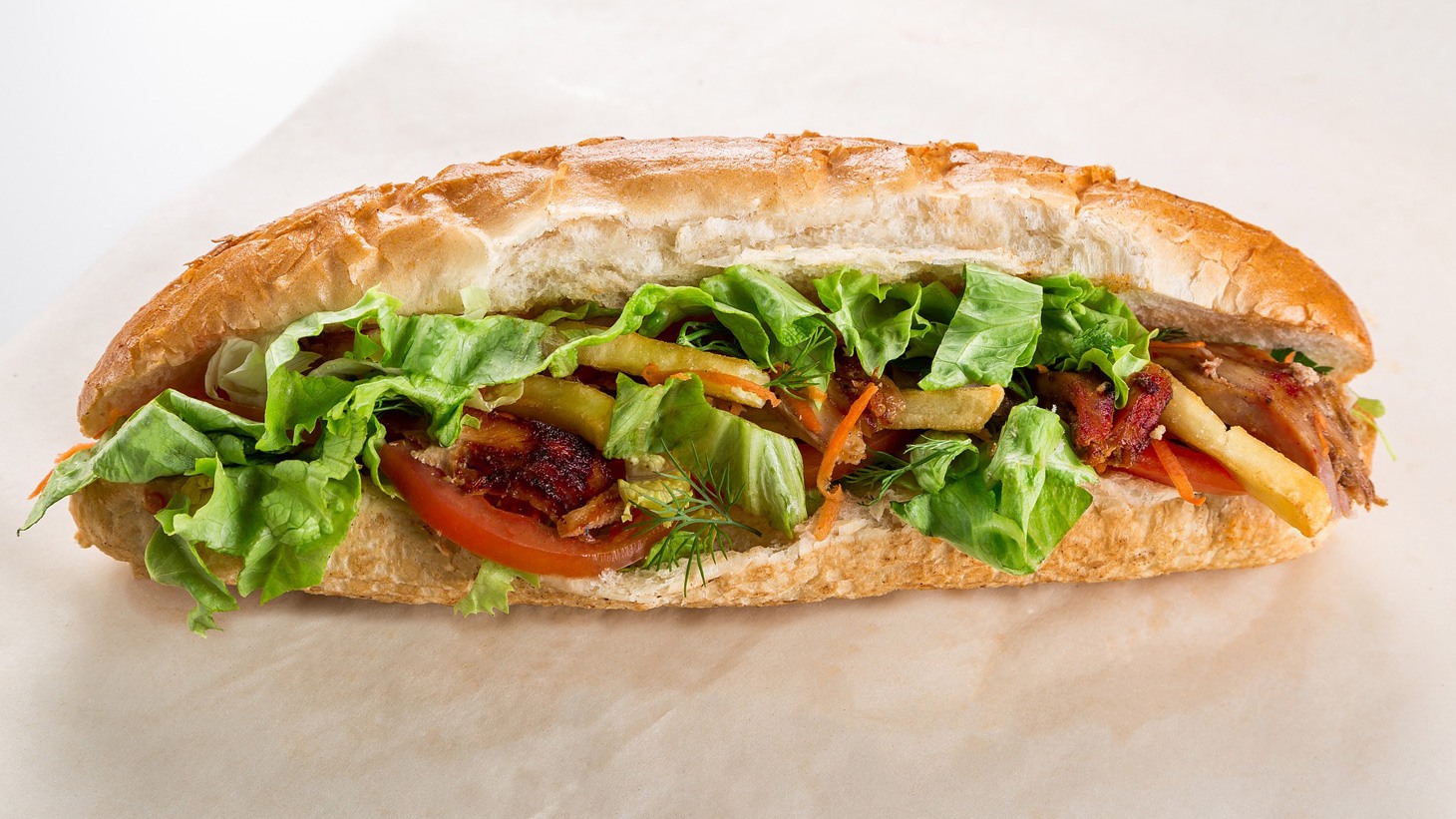
Last but not least, you can try a dish called Shawarma, which are grilled slices of meat, typically lamb, served in pita bread. The meat is heavily spiced and often served with a hot sauce by Egyptians.
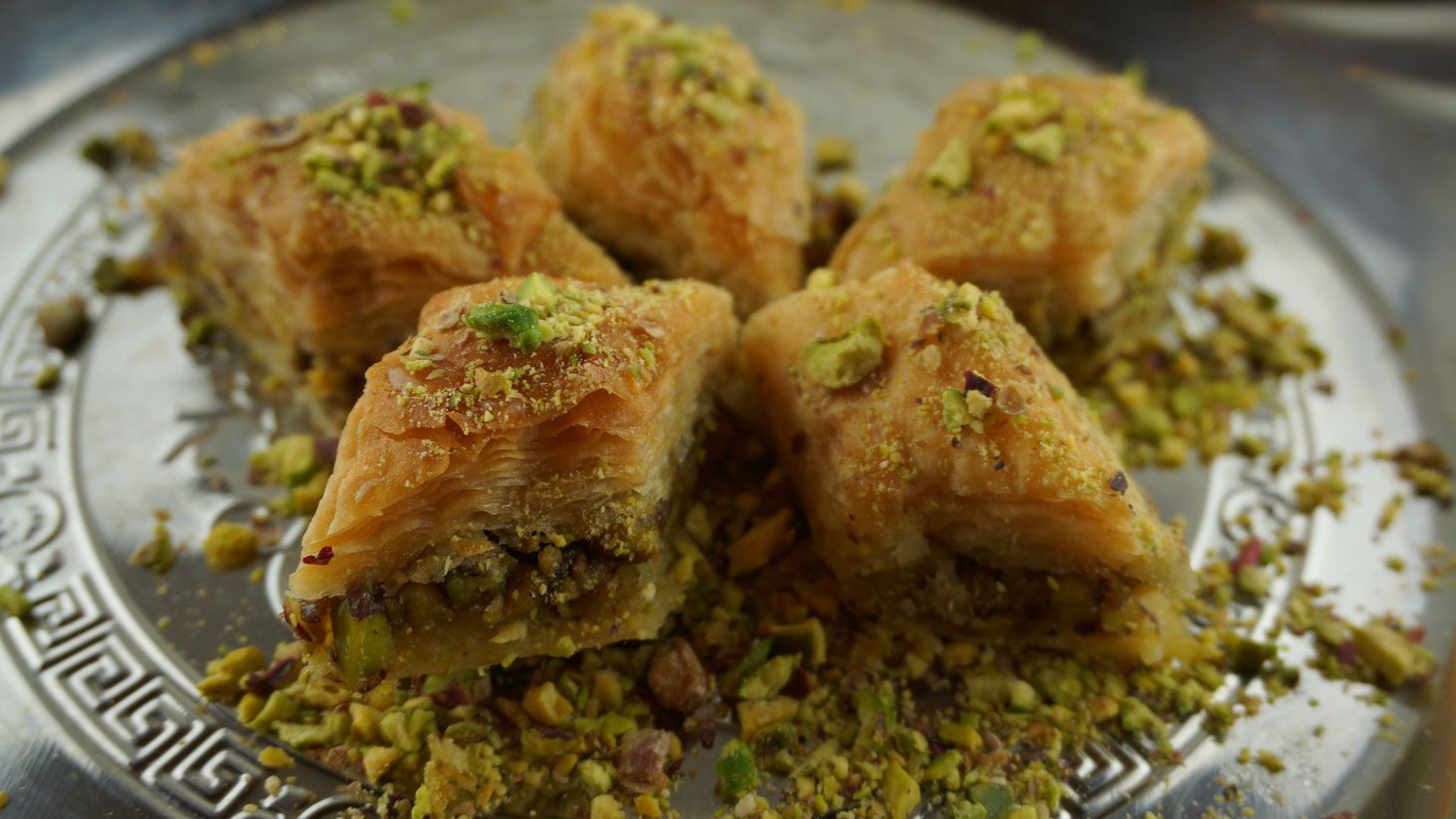
A very common dessert is simply sliced fresh fruit, such as bananas and oranges, or dates. Alternatively, very sweet dishes are served, such as basbousa, a dessert made from semolina, yogurt, coconut, and syrup. Of course, the menu would not be complete without baklava, a sweet treat made from several layers of phyllo dough, a mixture of nuts, and sweet syrup. The dessert tastes similar. kunafa, in which layers of phyllo dough are layered with sweet milk cheese.

Another national specialty is umm ali, a bread pudding with nuts, coconut, raisins, and cinnamon, which Egyptians are really proud of. Last but not least, you should try kahk, a traditional Egyptian cookie.
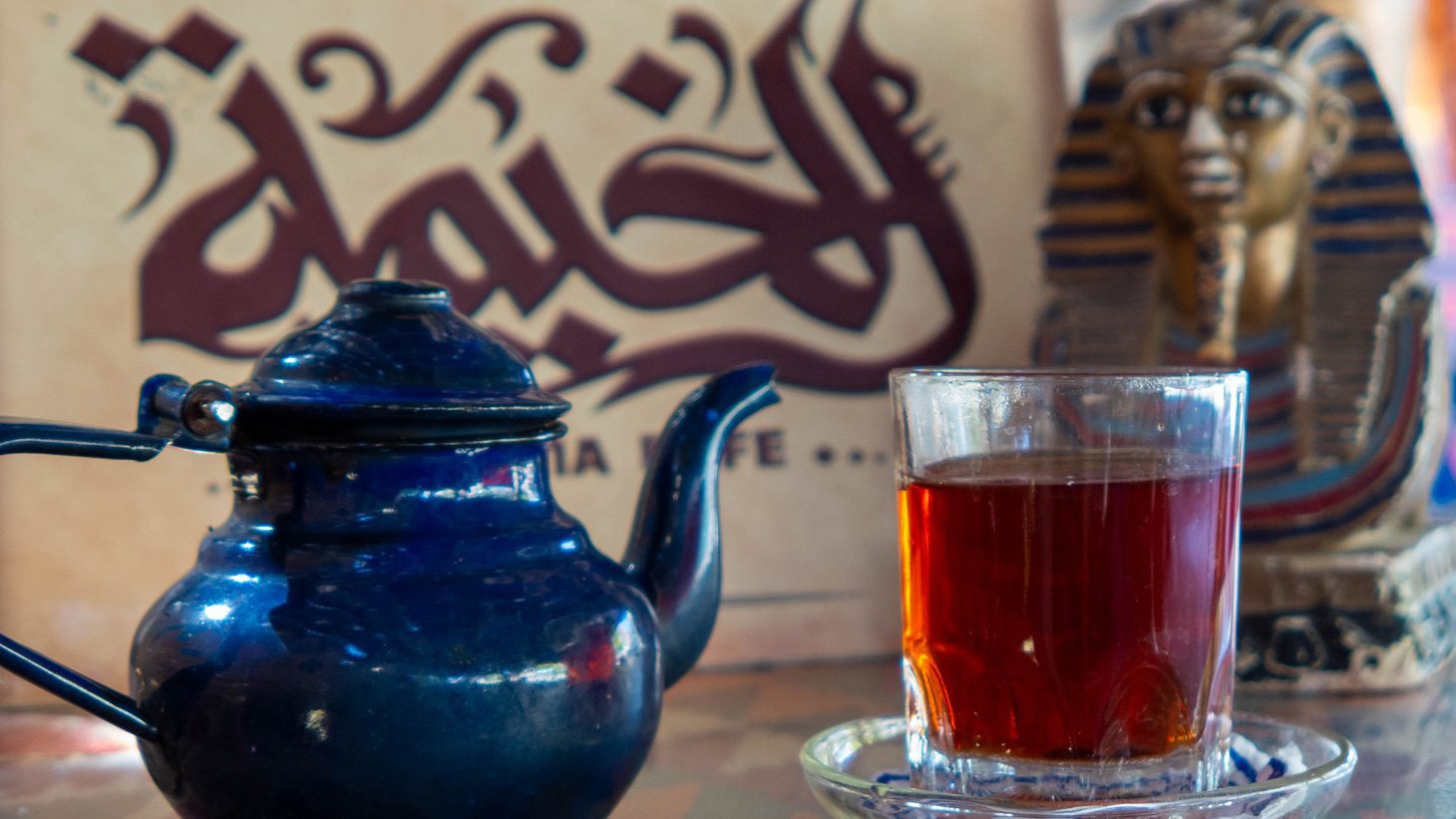
The national drink of Egypt is tea, which locals drink copiously with sugar and some even with milk. In addition to black tea, herbal tea is also very often prepared, or hibiscus. The tea can be consumed either hot or cold, at any time of day. It is also served here in traditional metal cezves. strong coffee, usually flavored with large amounts of sugar.

Furthermore, locals enjoy sugar cane juice, fresh juices made from seasonal fruit, usually oranges, melon, or mango. As for water, always drink bottled water here, not tap water.
Alcohol is not consumed very often here due to religious beliefs, but when locals do want to enjoy alcohol, they reach for beer.
Egyptian dinner, just like lunch consists of several courses. It is regularly served in Egyptian families. molokhia, vegetable soup, which is complemented with rice or pieces of pita bread. The main course will again feature various types of meat, fish, or seafood. The entire feast will end with dessert., which will be provided either by fruit or traditional Egyptian pastries.